01
Storm &
hurricane damage
Wind, water, and damage at a dock or mooring. Organize the event timeline, photographs, policy conditions, and reported loss.
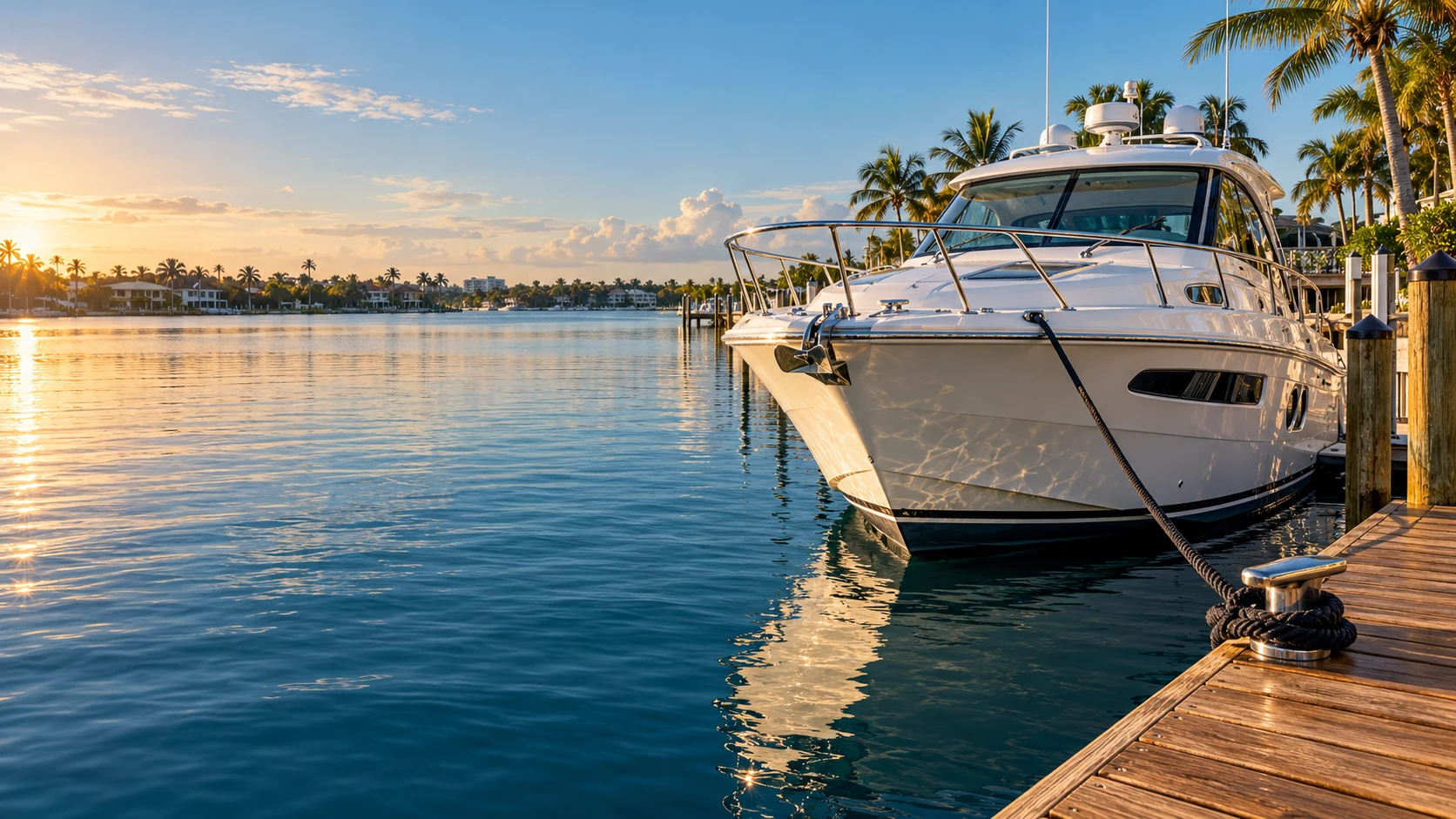
Florida boat-owner representation
When your boat is damaged, the details matter. Get help documenting the loss, understanding the claim, and presenting your position to the insurer.
01 / Your boat. Your claim.
Time on the water is personal. So is the disruption when something goes wrong.
A damaged hull, a storm at the marina, or a disputed repair estimate can leave you with a lot of questions. A public adjuster helps you bring the policy, the damage, and the supporting records into one clear claim.
Julio C. Ortega of Active Claim Adjusters LLC represents the insured’s interests in the property claim process. Start with a conversation about your loss and whether representation is a fit.
Meet your public adjuster02 / Boat damage claims
Every claim starts with the actual policy and the facts of the loss. These are some of the situations a boat owner may need help reviewing.
Wind, water, and damage at a dock or mooring. Organize the event timeline, photographs, policy conditions, and reported loss.
Document the impact and the resulting damage. Bring qualified inspection findings and repair proposals into the claim review.
Understand the reported cause, damaged equipment, recovery records, and the policy provisions that may apply to the loss.
Gather ownership records, reports, inventories, and photographs to document what is missing or damaged and support the claim.
Coverage is never automatic. Policy terms, exclusions, deductibles, cause of loss, and the evidence determine how a claim is considered.
03 / A well-supported claim
A useful claim file connects the reported damage with the records that support it.
Review the policy, endorsements, deductibles, claim notices, and the insurer’s response.
Organize photographs, qualified inspection findings, estimates, invoices, and relevant maintenance records.
Present the documented loss, address claim questions, and communicate the insured owner’s position.
Compare the insurer’s position with the supporting file and review disputed or additional documented damage.

04 / The process
Begin with the situation as it stands. You do not need to have every document ready to ask for a conversation.
Describe the boat, the loss, the location, and the current claim status. Discuss whether the matter is appropriate for representation.
Review services, fees, and terms in a written agreement before representation begins.
Bring policy documents, photographs, estimates, and correspondence into a clear, organized record.
Present the claim, address questions, and review the insurer’s position with the supporting evidence in view.
05 / Meet your public adjuster
Florida public adjuster
Active Claim Adjusters LLC
Julio helps policyholders document property losses and navigate the insurance claim process. His approach starts with understanding the circumstances, reviewing the available information, and discussing what representation would involve.
For a boat damage claim, that means careful attention to the policy and the records, with technical inspection and repair decisions left to qualified marine professionals.
06 / Questions, answered
A few practical answers before you get in touch.
A public adjuster engaged by the insured helps prepare, document, present, and negotiate the property insurance claim on the insured’s behalf. The scope of services and fees should be explained in a written agreement.
No. A public adjuster handles claim representation. A marine surveyor or another qualified marine professional may inspect the boat, assess its condition, or provide technical findings. Julio does not offer repair certification, a safety determination, or legal advice through this service.
You can contact Julio to discuss an existing claim, an offer, a denial, or unresolved damage. Whether representation is appropriate depends on the policy, evidence, deadlines, and any agreement or release already signed. A different result is not guaranteed.
Start with a brief description of what happened, where the boat is located, and the claim status. Keep the full policy, photographs, repair estimates, inspection reports, ownership records, and insurer correspondence available for a later review. Do not send sensitive documents in your first email.
Put personal safety first and use qualified help for unsafe conditions, recovery, and repairs. Follow your policy duties, notify the insurer promptly, and discuss documentation and inspection before nonemergency repairs when practical. Preserve photographs and receipts. This website is not emergency, salvage, or technical repair guidance.
Julio can explain the proposed services and fees for your particular claim before you decide whether to proceed. The scope and fee are set out in a written agreement before representation begins.
07 / Start the conversation
Tell Julio what happened and where your claim stands. Together, you can discuss whether his services fit your situation.
Please keep policy numbers, identification, and sensitive claim records out of the first email. You can arrange an appropriate way to share documents directly with Julio.